Good design makes learning feel approachable and engaging. This work spans course identity redesigns, educational game badges, and informational campaigns, each one built around making complex information feel clear, human, and easy to absorb.Instructional Design
Accounting Course Redesign
About the Project
An ongoing research project focused on redesigning the visual identity of two university level accounting courses, Financial Accounting and Managerial Accounting. Currently in preparation for conference presentation and publication.
The Work
Typography, color palettes, and layout input across both courses, implemented directly in Canvas using HTML. Fifteen digital badges were also created for the course's interactive review games, earned by students who score 85% or higher.
My Role
A collaborative contribution as a design resource. The course structure, content, and research direction belong entirely to the instructor. My part was helping give it a visual identity worthy of the work behind it.
Course Layout Redesign
Each page was built directly in Canvas using HTML, with a focus on intuitive navigation, visual consistency, and accessible design for all students. Typography, color, and layout were chosen deliberately to reduce cognitive load and make the course experience feel clear and welcoming rather than overwhelming.
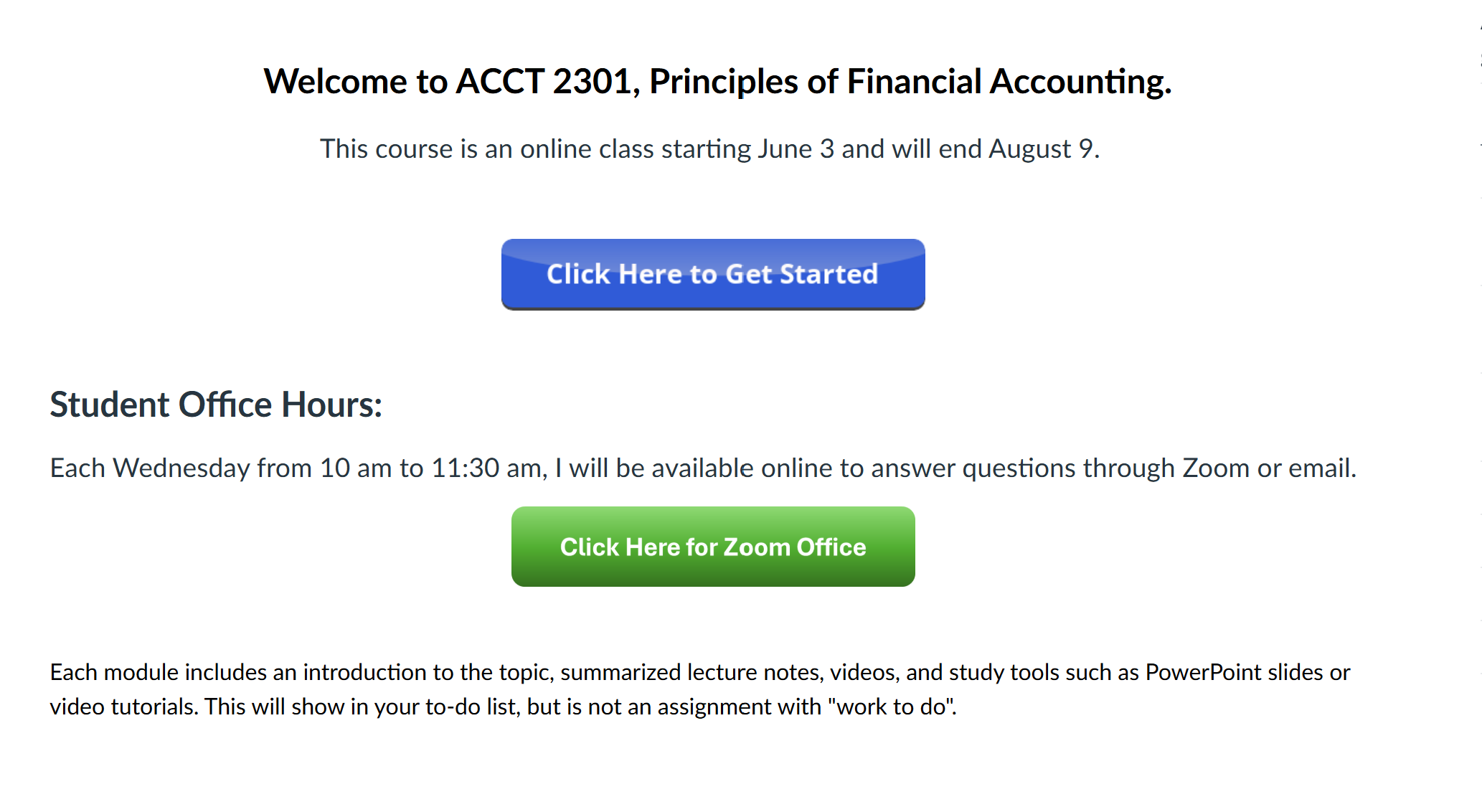
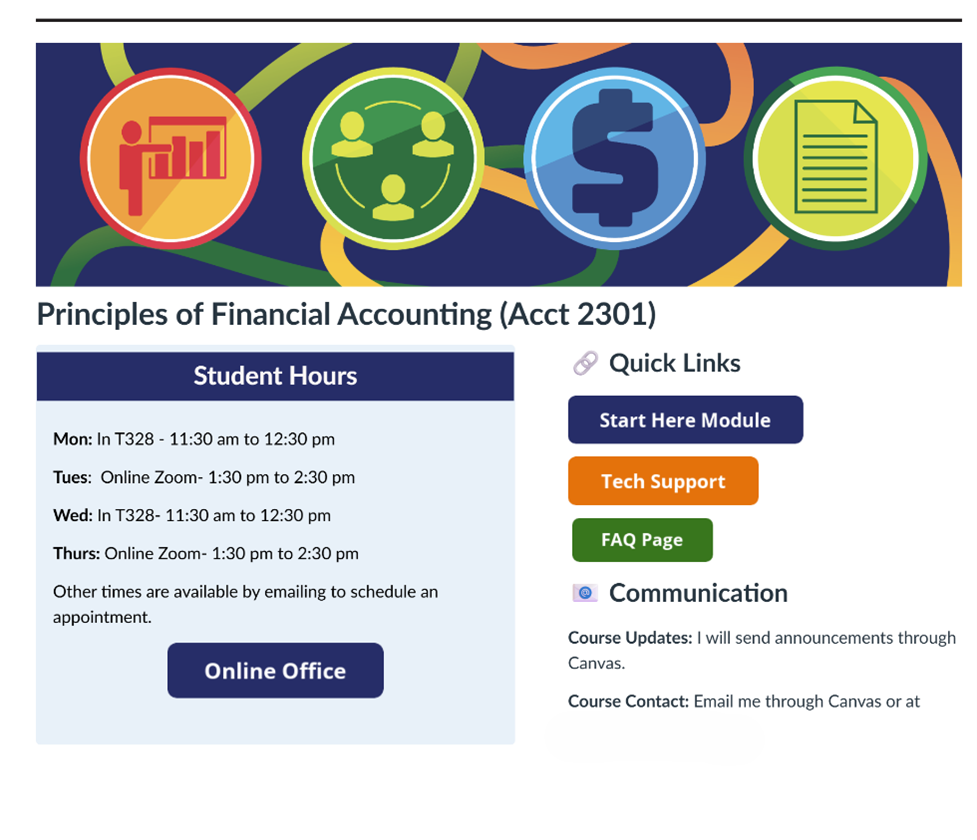
Home Page Before (Financial Accounting 2301)
Home Page After (Financial Accounting 2301)
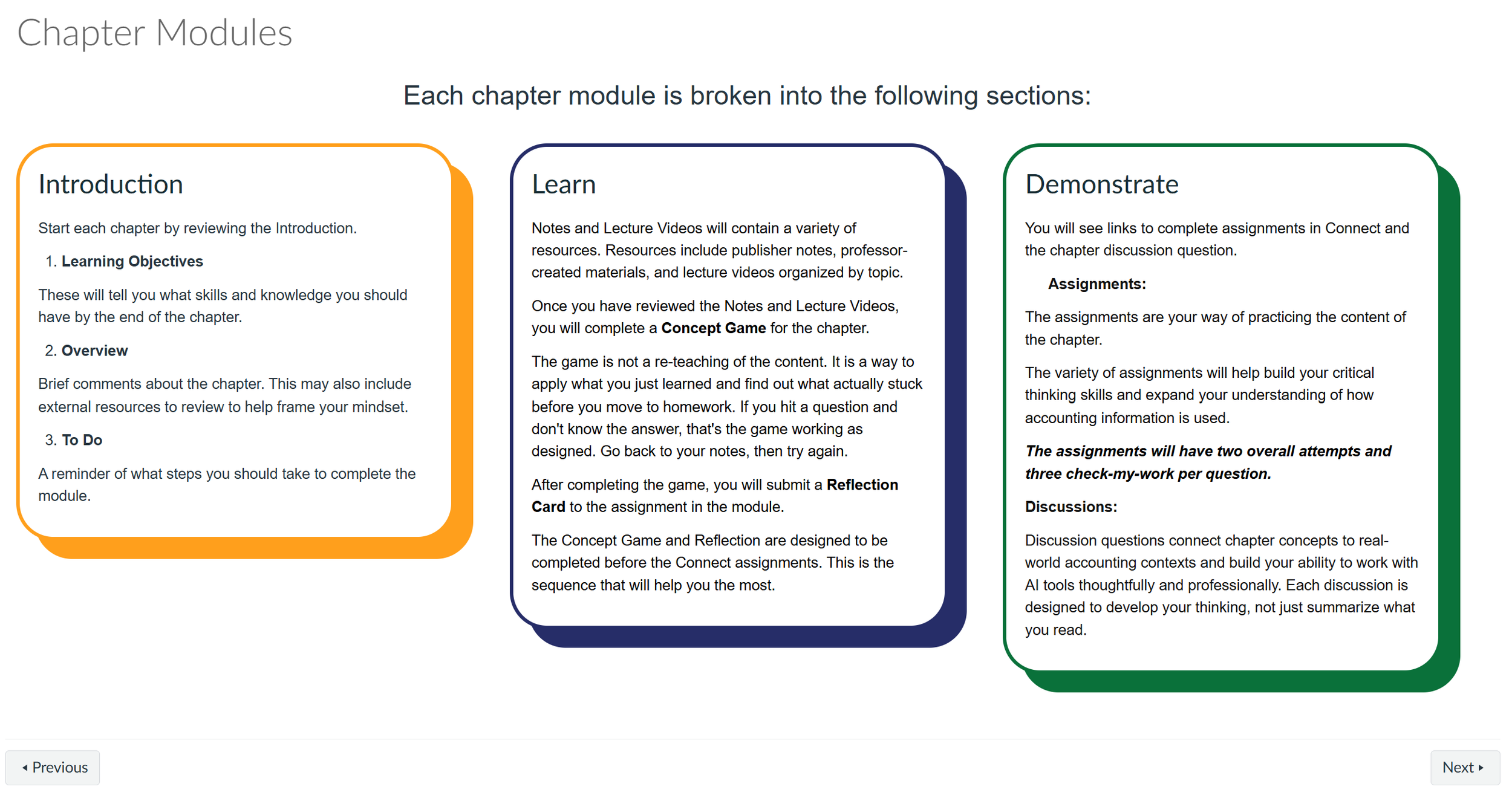
Financial Accounting 2301
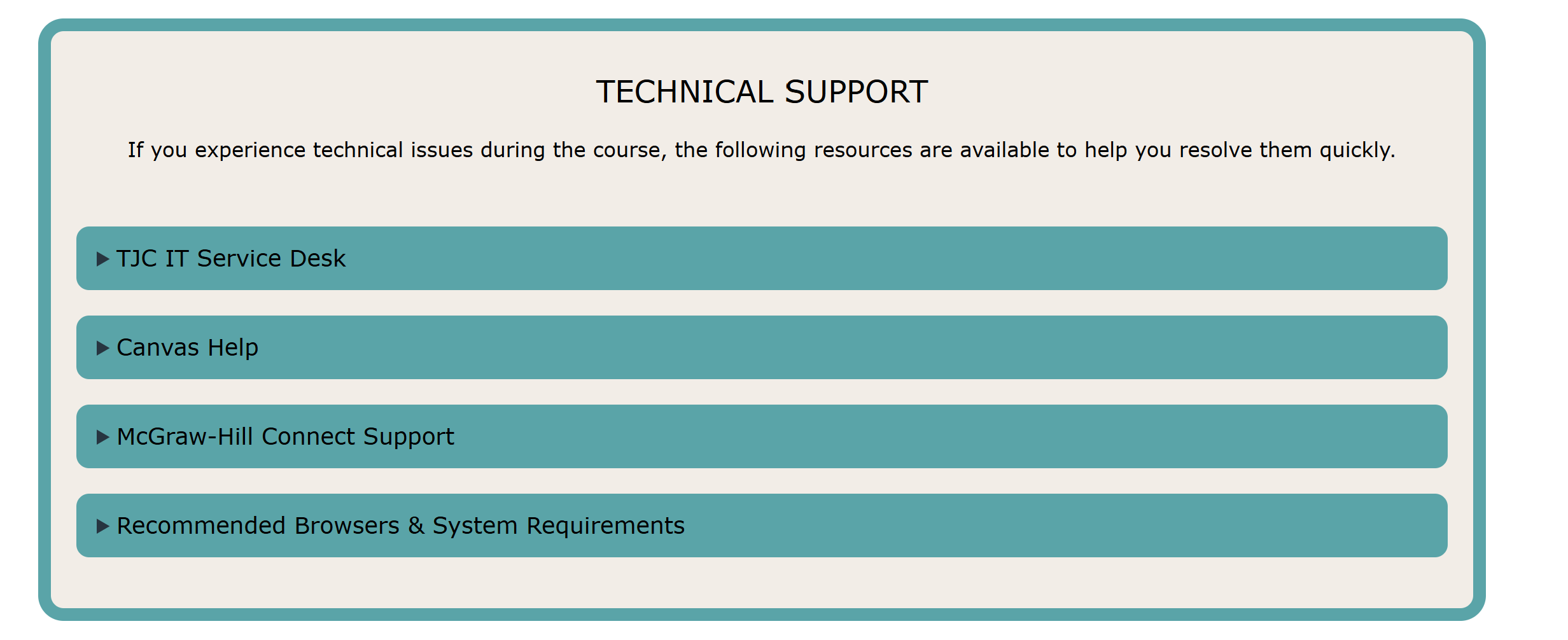
Managerial Accounting 2302
Educational Activities
Hands-On Concept & Review Games
These hands-on games were designed to bridge the gap between lecture and homework, giving students a low stakes way to test their understanding before moving on. Built to work in both in person and online formats, each game was designed with clear visual hierarchy and easy to follow instructions so students could focus on the content rather than figuring out how to play.
Fraud Themed Escape Room
The first exam review took the form of a fraud themed escape room, designed to make exam prep feel anything but ordinary. Students worked through accounting concepts framed as case evidence, turning what could have been a stressful review session into an engaging, immersive experience. Every visual element from the materials to the instructions was designed to stay true to the theme while keeping the academic content clear and accessible.
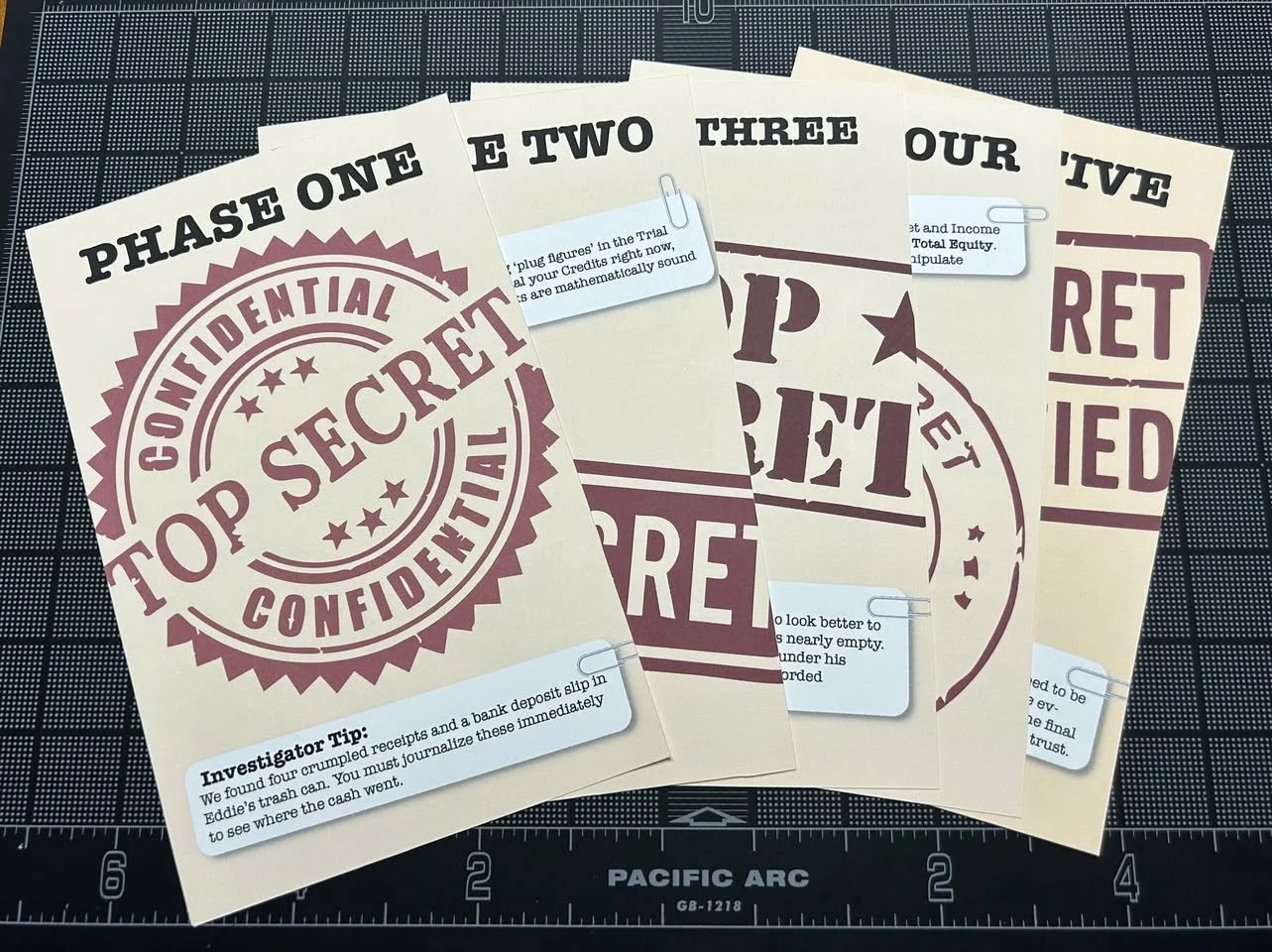
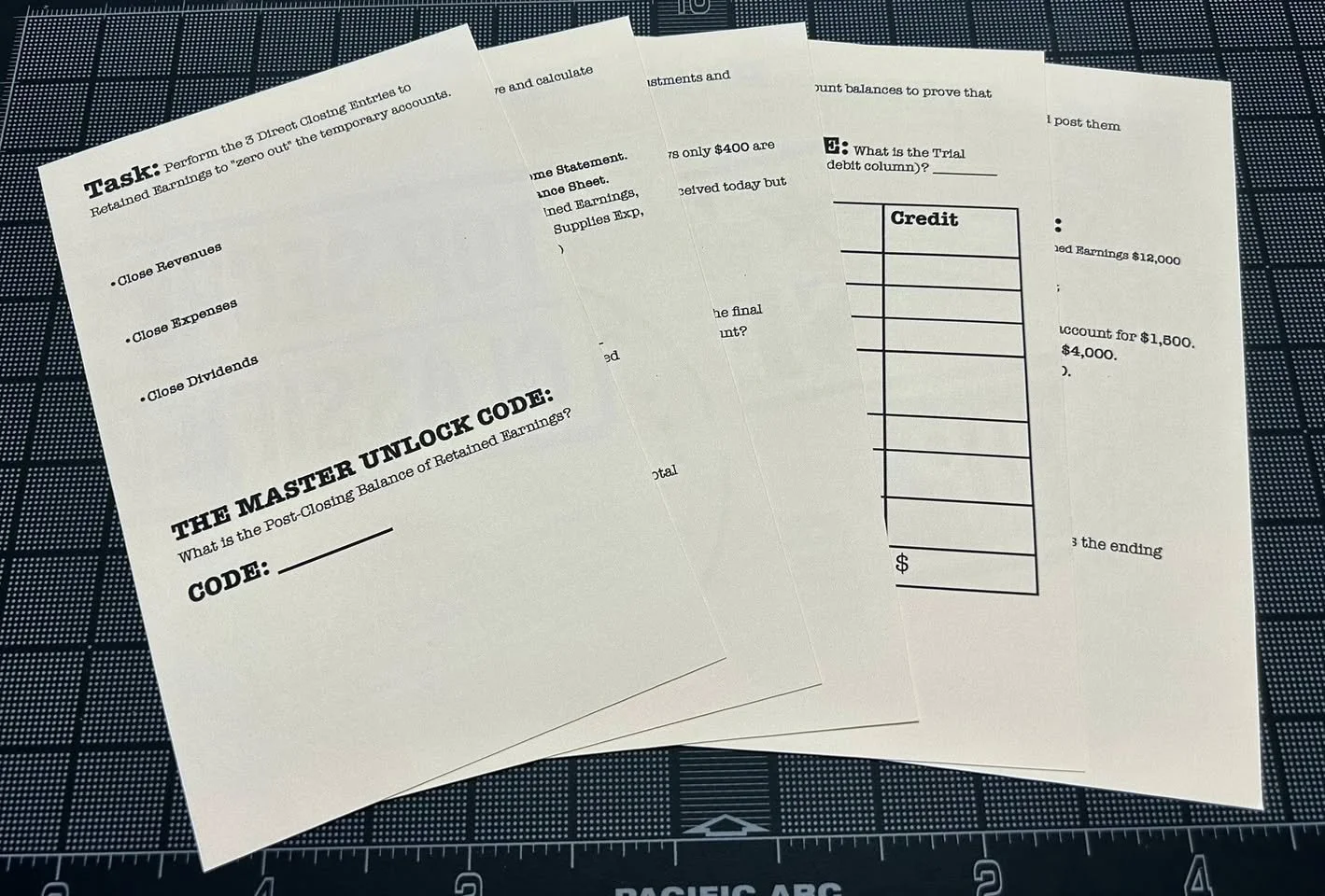
Task cards (Front)
Task cards (back)
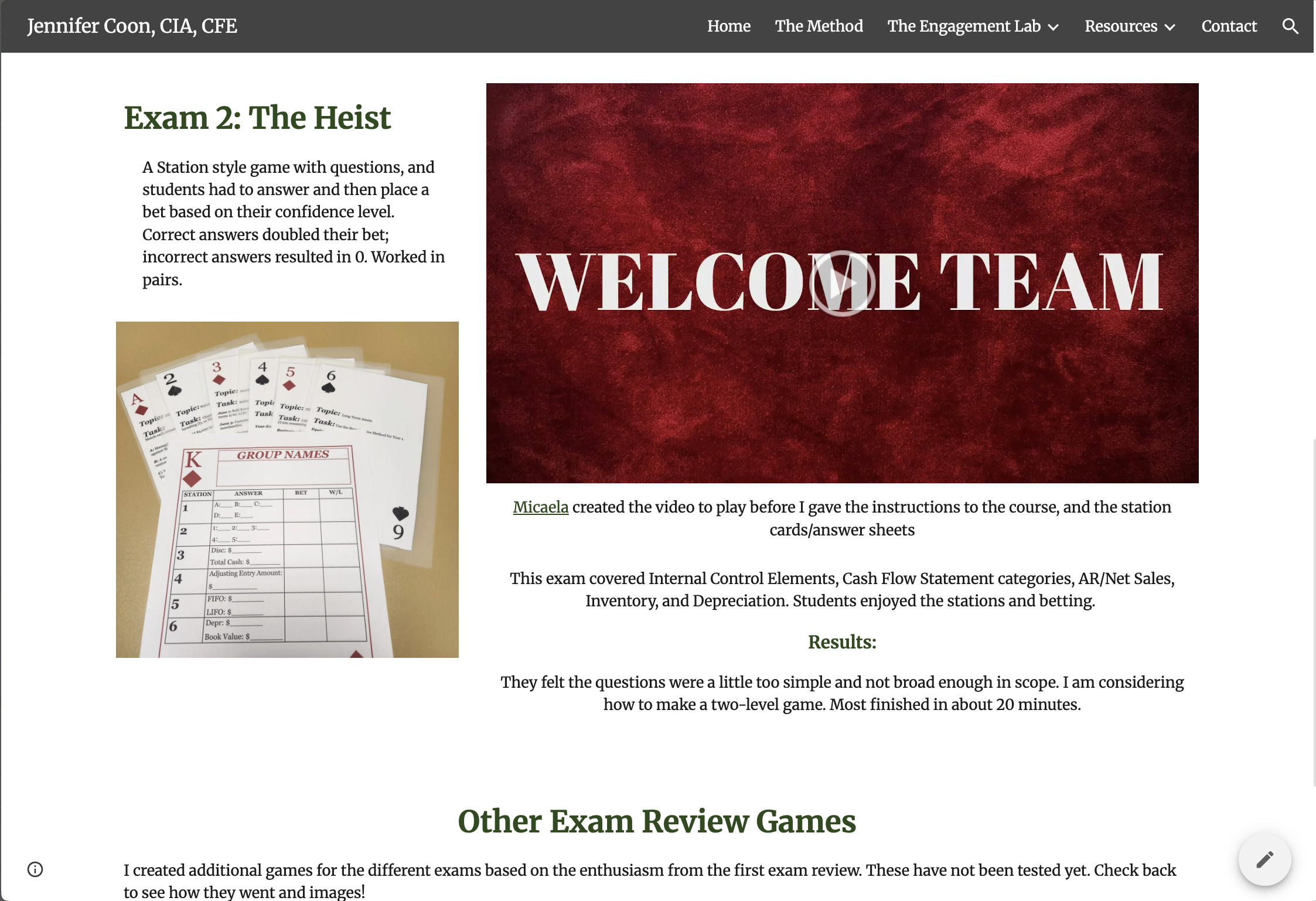
The Heist Exam Review
The second exam review brought the energy of a high stakes heist to accounting concepts. Designed as a puzzle station game, students moved through six stations with each one represented by a custom playing card, Ace through Six, collecting clues and solving problems along the way. The answer sheet was issued on a King card, tying the full deck together into one cohesive experience. Every card was designed to feel like a real piece of a card deck while keeping the academic content front and center.
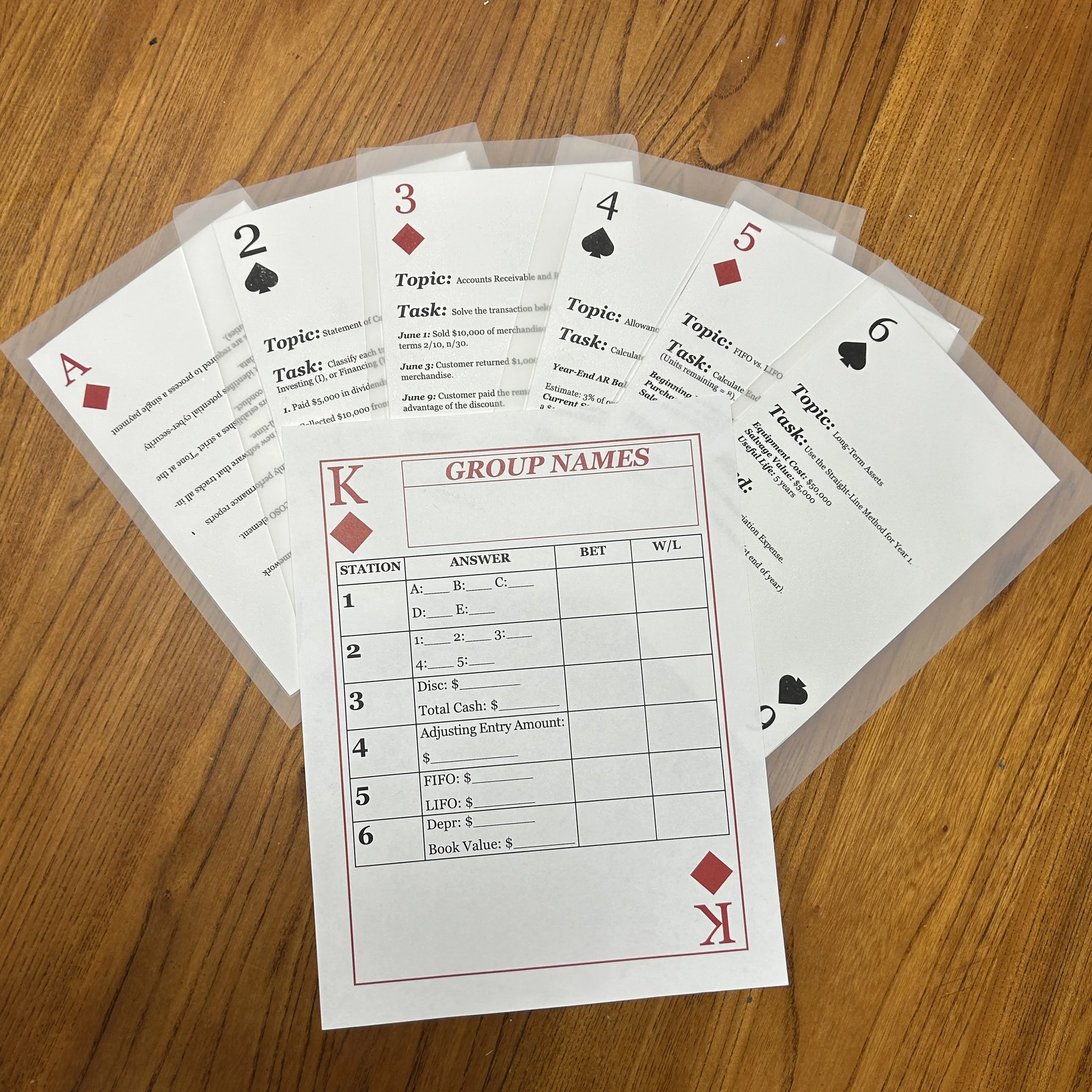
Motion graphic created to introduce students to the game format and build excitement before diving in.
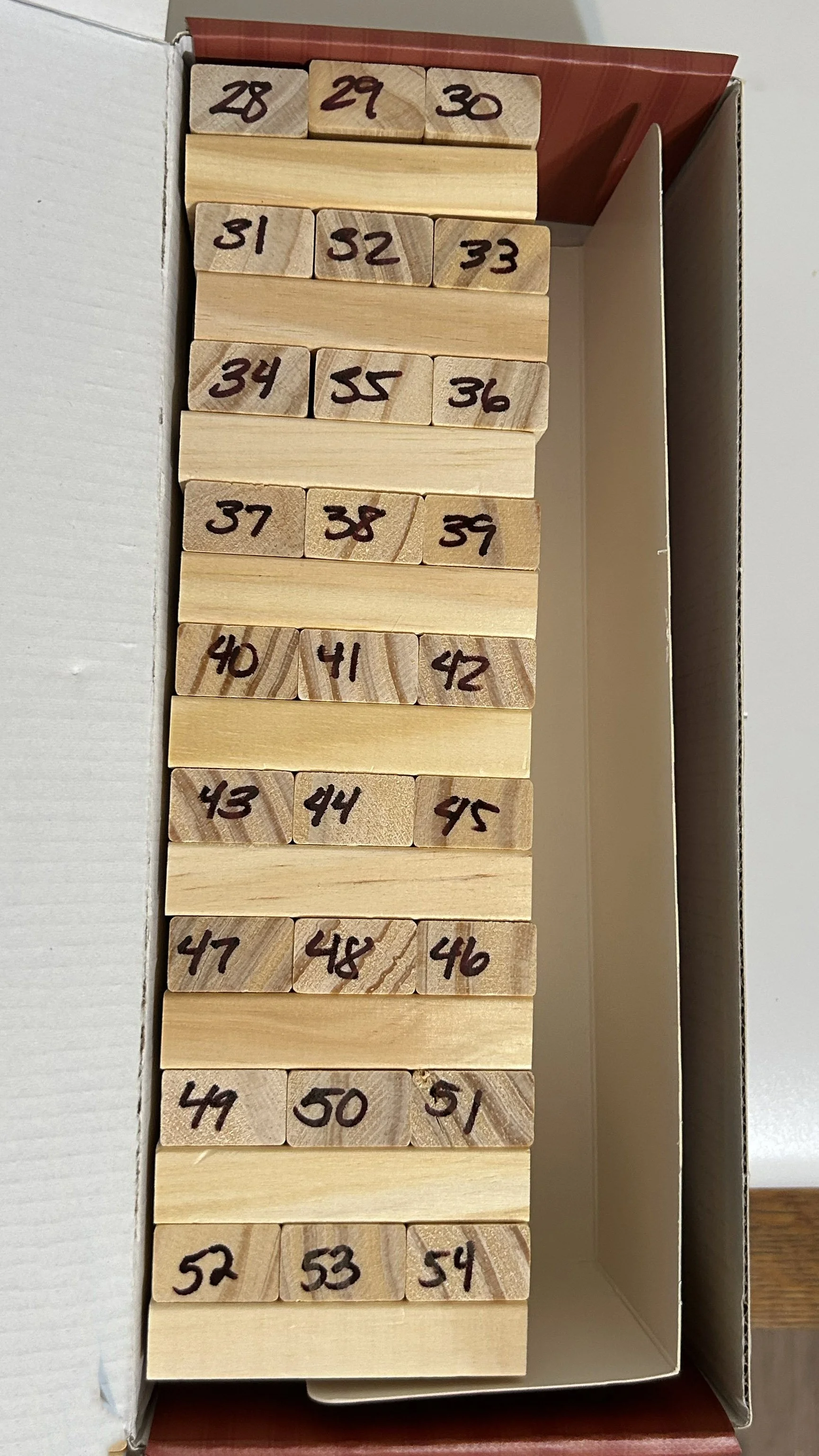
The Evidence Room
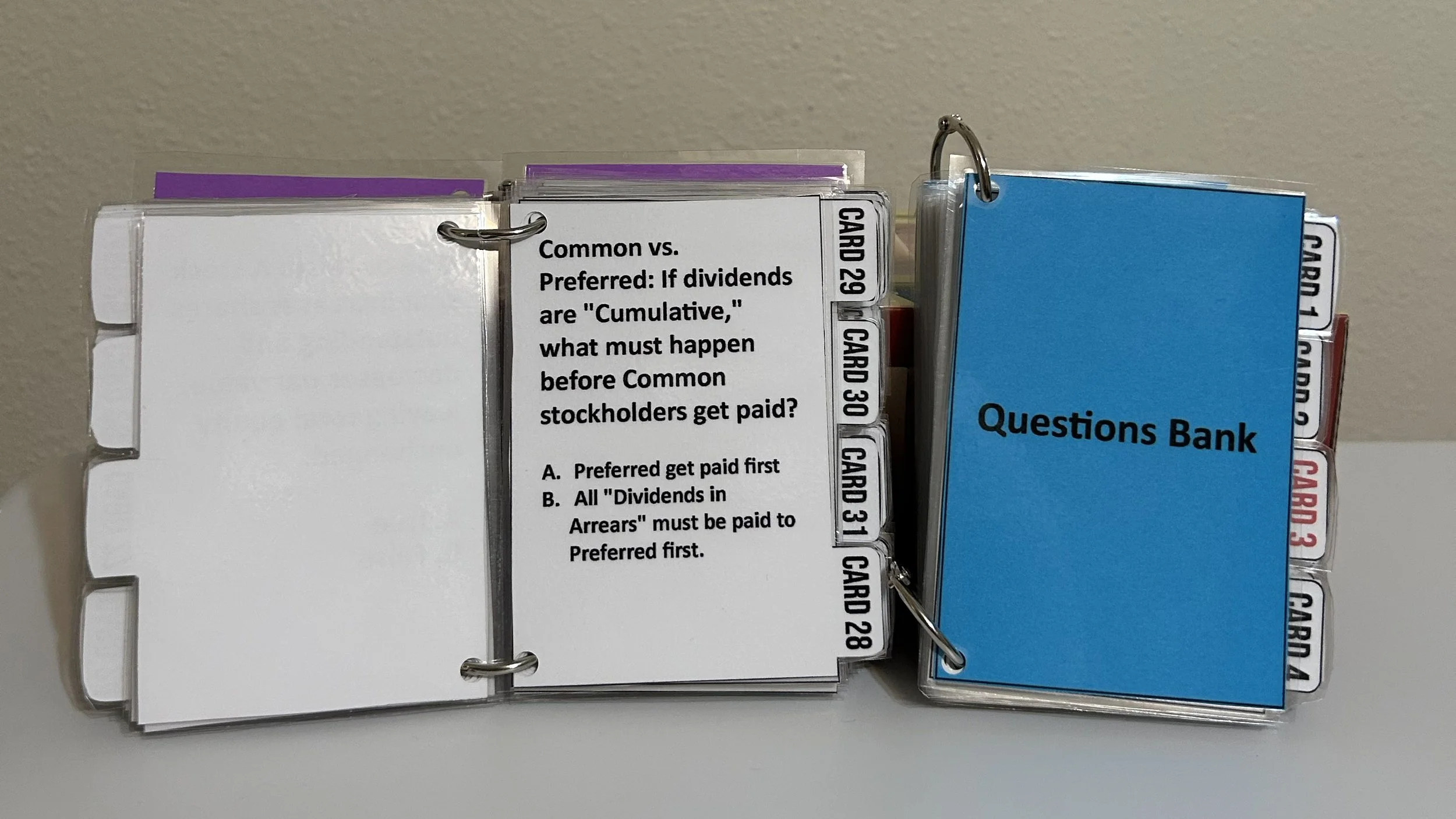
The third exam review is a Jenga game with numbers on blocks and a separate booklet designed to look like a file folder. This folder contained corresponding numbers. Students need to answer the questions and an auditor (the professor) will verify their correctness.
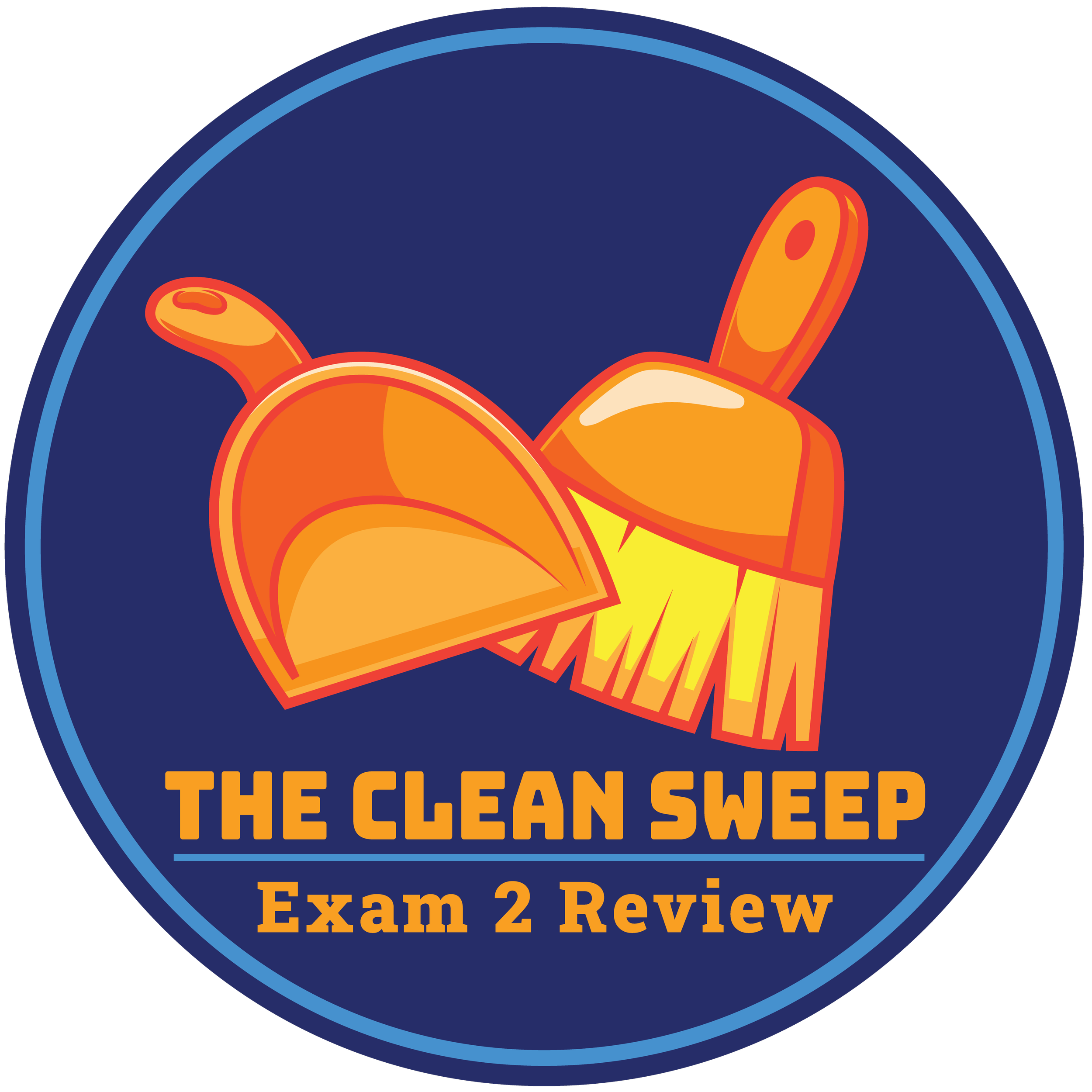
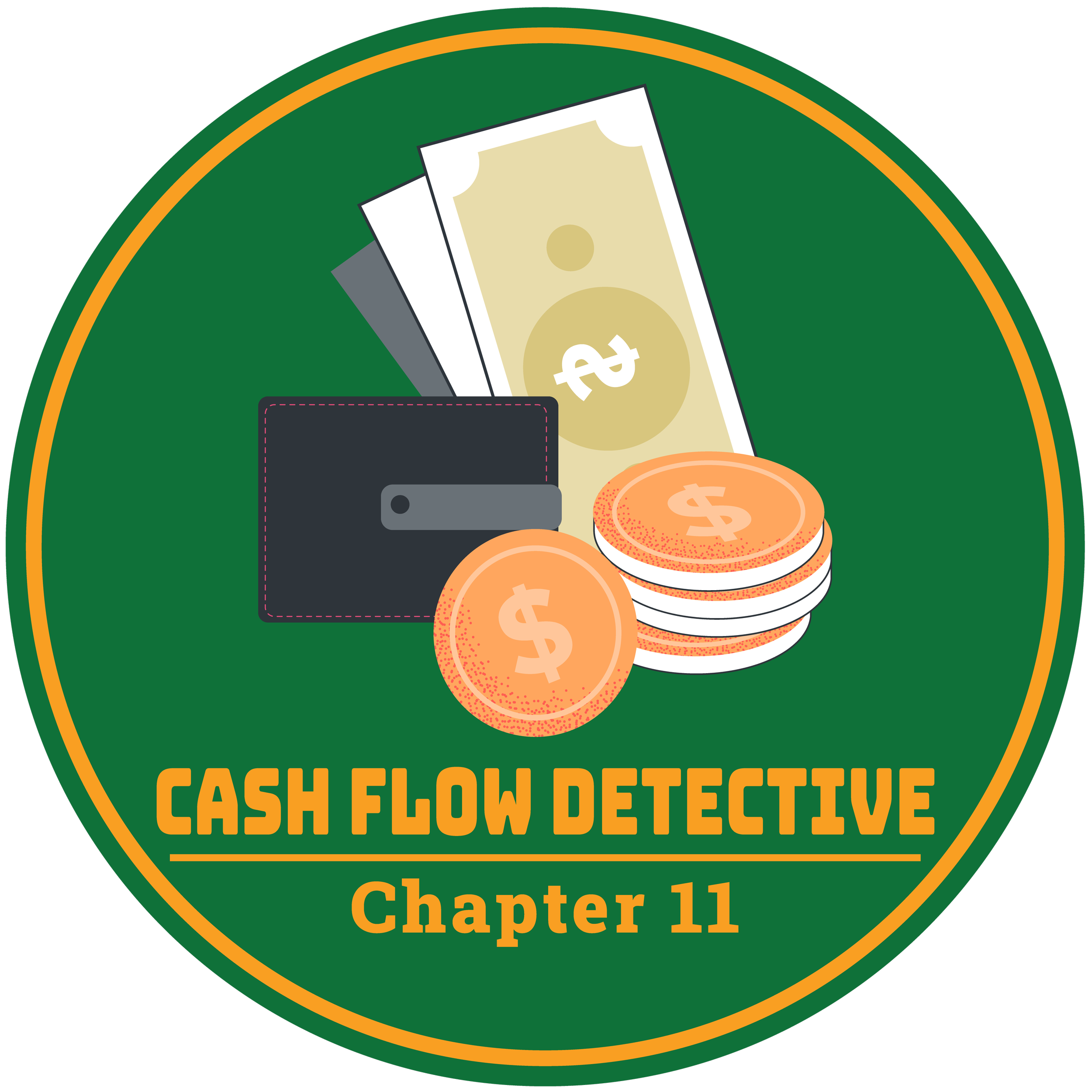
Each badge was designed to be earned, not just collected. Students unlock these by completing interactive chapter and exam review games with a score of 85% or higher, bringing a little friendly competition and a lot of personality to an accounting course. 15 badges in total were create, 11 chapter concept games and 4 exam reviews, below are two examples of each. These badges were designed to match the branding of Financial Accounting 2301.
Chapter Concept & Exam Review Game Badges


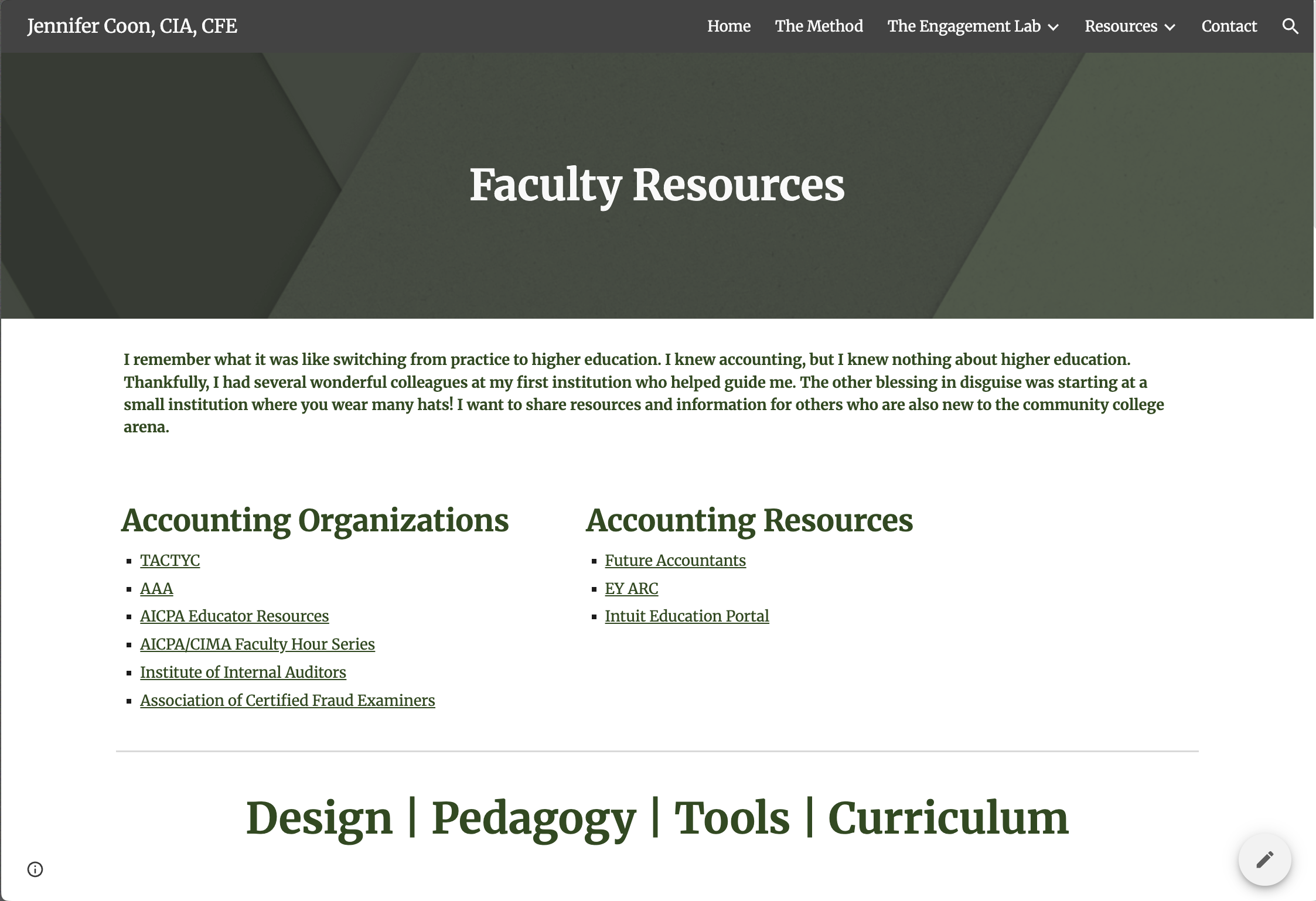
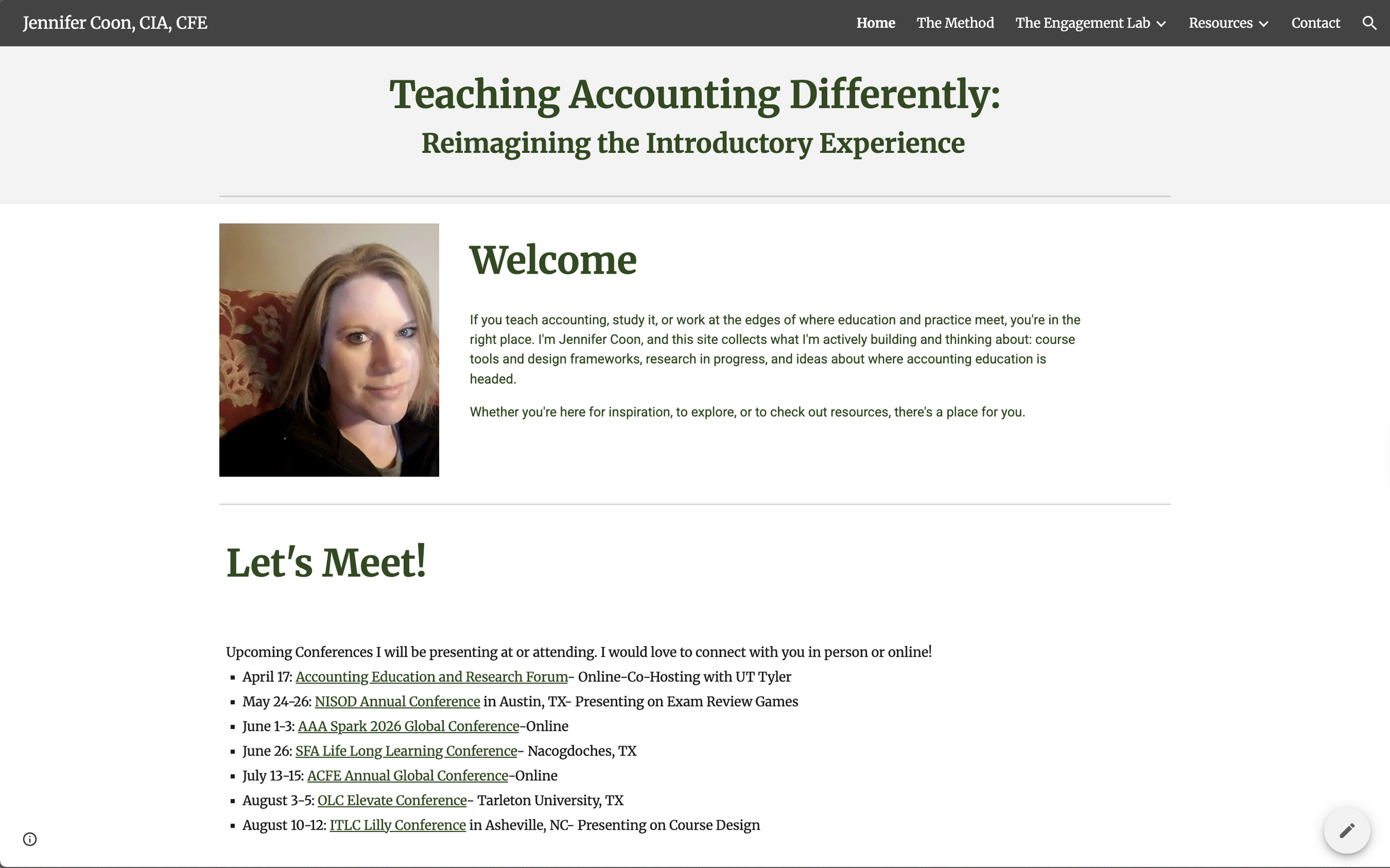
Academic & Research Web Design
Designed for Jennifer Coon, CIA, CFE, this professional academic website serves as a central hub for her ongoing instructional design research, course tools, and conference work. Built in Google Sites with input on layout, visual hierarchy, and overall organization, the goal was to make a complex body of work feel approachable and easy to navigate for educators, students, and researchers alike.